The 8 Vinyl Flooring Trends for 2025
Vinyl flooring is changing, giving people stylish and strong choices for their homes. Here are the top vinyl flooring trends for 2025:
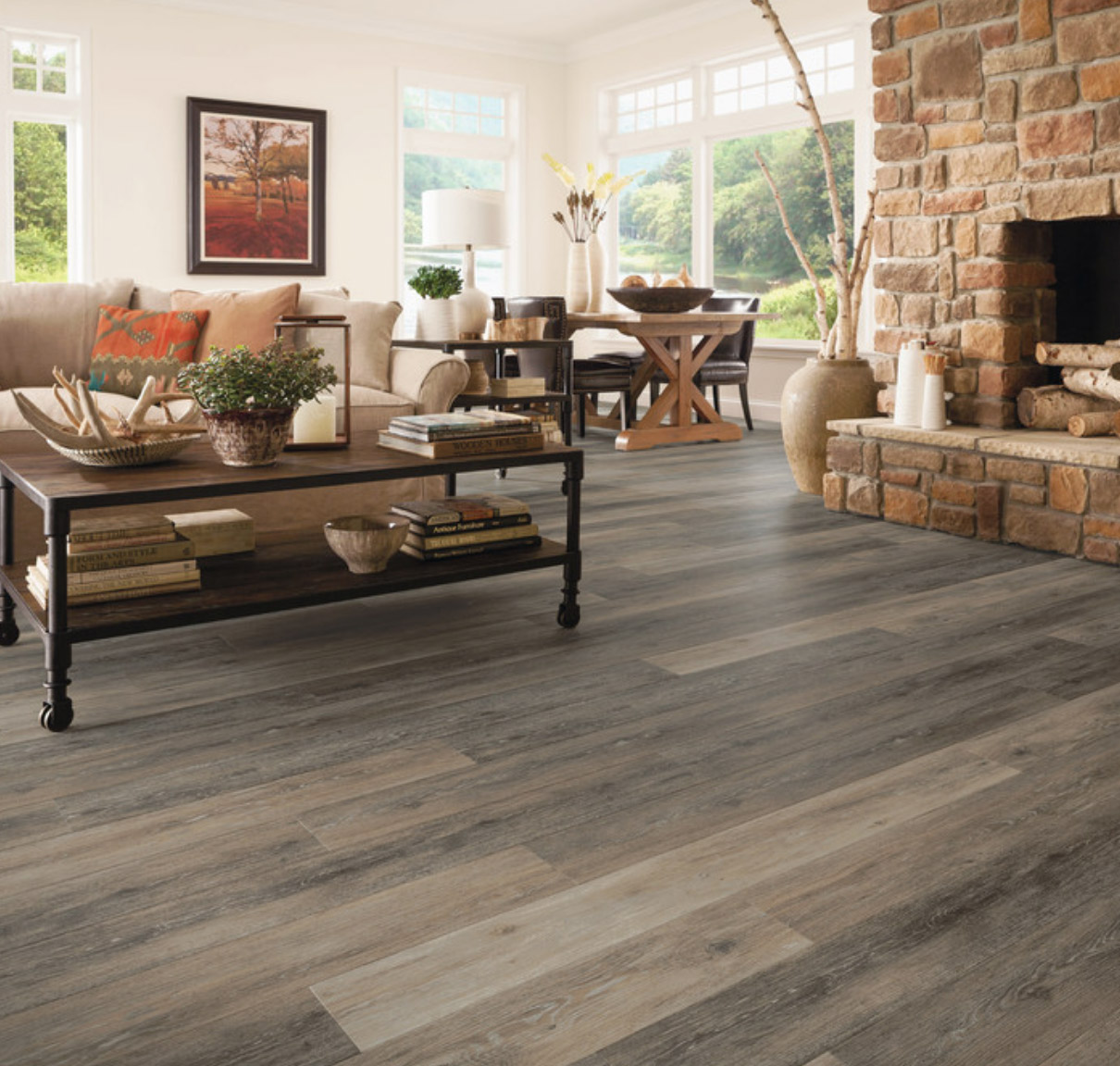
1. Wide Plank Vinyl Flooring
Wide planks make rooms look bigger and more fancy. They show off the wood-look in vinyl, making it both modern and classic.
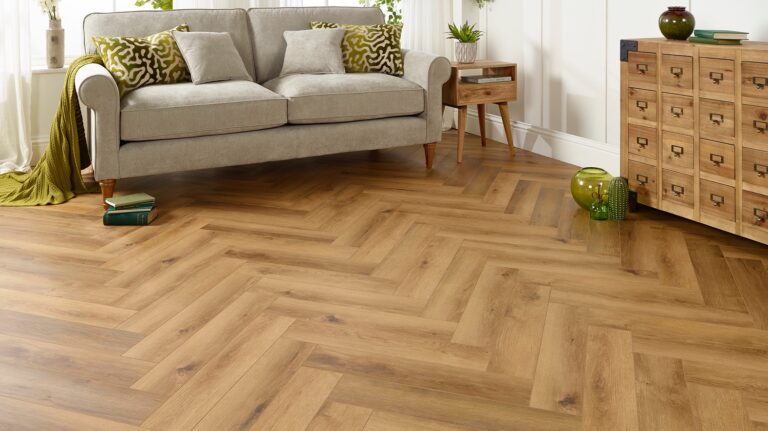
2. Herringbone Patterns
Patterns like herringbone are popular again, adding style and interest to any room. They work well in both old and new homes.

3. Chevron Patterns
Chevron patterns have a sharp, bold look. They are stylish and trendy for 2025.

4. Mixed Wood Tones and High Variation Designs
Different wood colors and designs add depth and character to floors, making spaces feel more natural and unique.
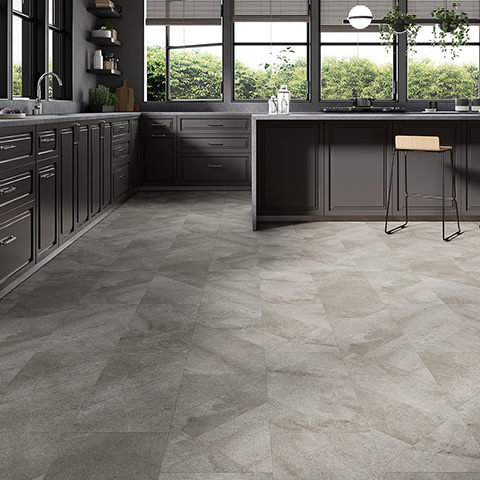
5. Stone-Look Vinyl (Slate, Marble, Travertine)
Vinyl that looks like stone offers a fancy look with the easy care of vinyl. It’s great for many rooms.
6. Matte Finishes and Low-Sheen Textures
Matte finishes are liked because they hide marks and dust, giving a clean look that’s easy to maintain.
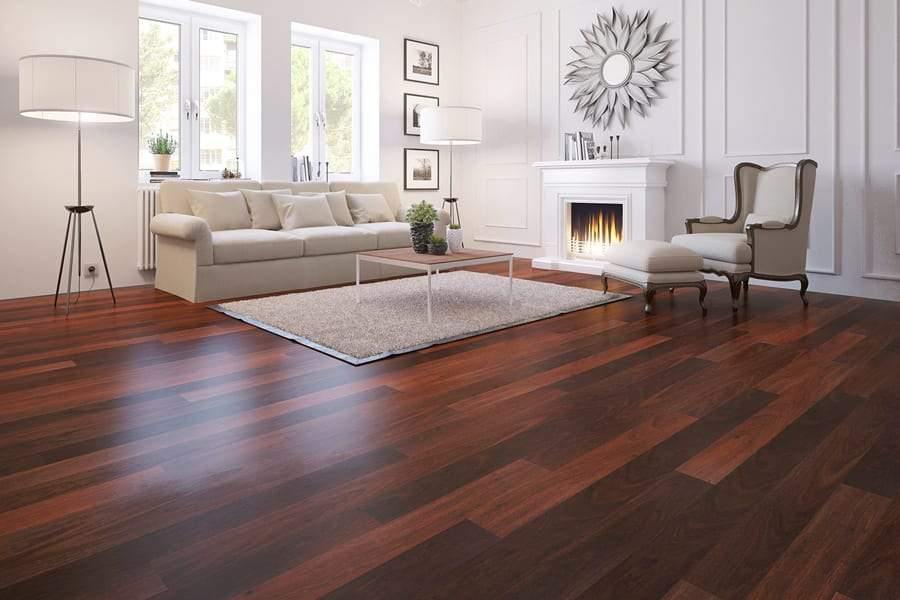
7. Natural Grain Embossing and Registered Finishes
New printing tech makes vinyl look and feel like real wood with textures that match the grain.

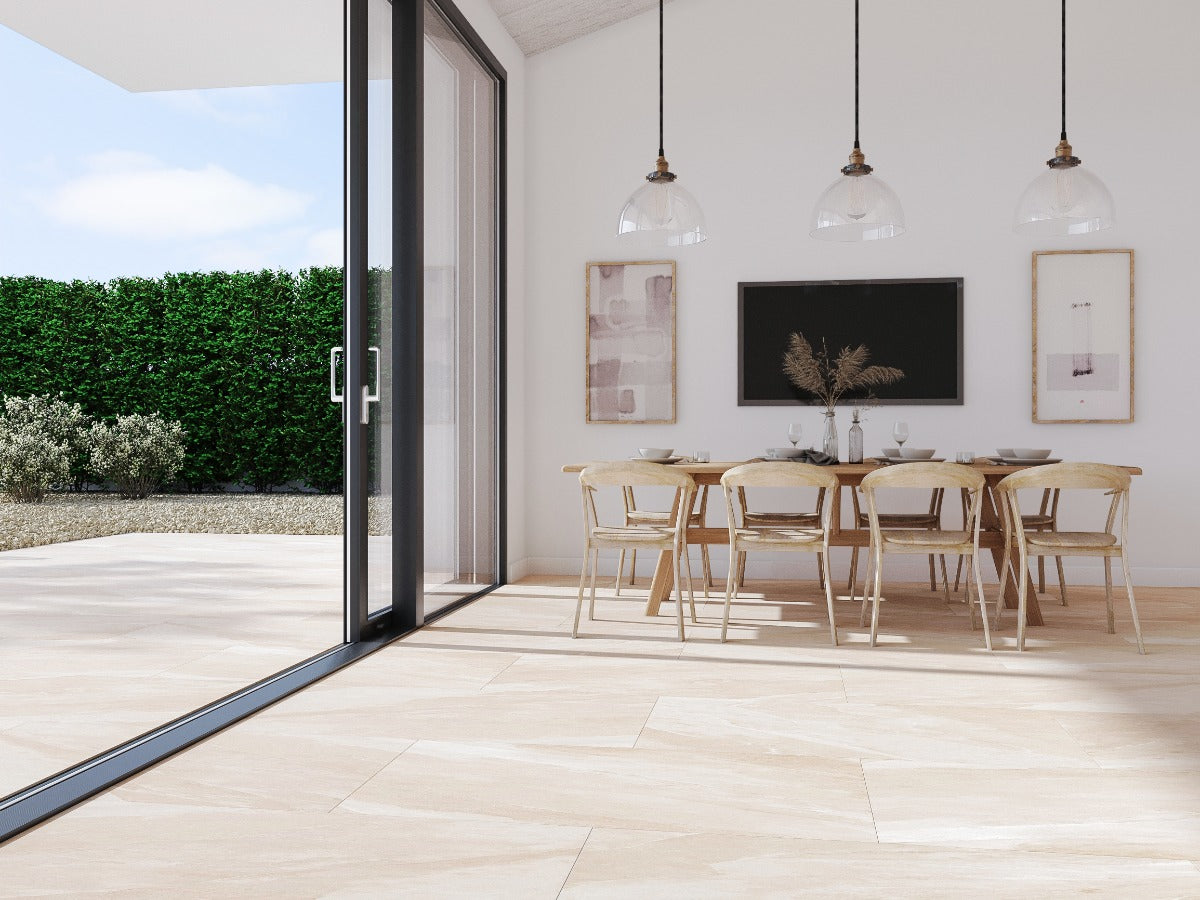
8. Seamless Indoor-Outdoor Transitions with Vinyl Tile
Vinyl tiles make a smooth flow from inside to outside, perfect for patios and decks with strong, weatherproof flooring.
Vinyl Flooring Colors & Finishes Trending Now
In 2025, vinyl flooring colors are moving toward warm, nature-inspired shades with rich textures. These styles aim to add depth, coziness, and interest to every room.
🌾 Warm Greige and Honey Oak Tones
Greige, a mix of grey and beige, works well with modern farmhouse and transitional styles. Honey oak adds a golden warmth, making kitchens and living spaces feel welcoming and timeless.

🏖️ Coastal Whitewashed Planks
Light, bleached tones inspired by beach styles are becoming popular again. These whitewashed planks brighten small rooms and offer an airy, relaxed vibe.

☕ Rich Espresso and Charcoal Tones
For dramatic interiors, dark tones like espresso and charcoal provide a sleek, high-contrast look that suits modern designs. These colors also hide dirt in busy areas.

🪵 Distressed and Reclaimed Wood Looks
Vinyl with aged textures and saw-mark details looks like reclaimed barn wood — great for rustic, industrial, or eclectic styles. It adds character without the maintenance of real wood.

🎨 Subtle Pattern Layering for Depth
Many vinyl options now include layered designs — soft wood grains, mineral veins, or tone-on-tone effects — that add richness and movement without being too much.

Best Vinyl Flooring Types by Room
Selecting the best vinyl flooring for each room ensures it works well, lasts long, and looks great.
Kitchens: Waterproof LVP with Slip Resistance
Kitchens see a lot of spills and moisture. Waterproof Luxury Vinyl Plank (LVP) with slip-resistance is strong and safe. It looks like wood or stone, making kitchens look nice and feel comfy.

Bathrooms: Sheet Vinyl or Rigid Core Vinyl Tiles
Bathrooms need floors that handle lots of water. Sheet vinyl has a smooth, water-resistant surface. Rigid core vinyl tiles are strong and come in many designs.

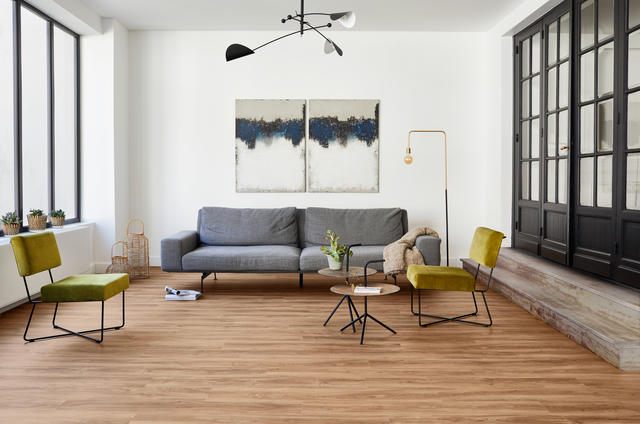
Living Rooms: Textured Wood-Look LVP
In living rooms, textured wood-look LVP gives the warmth of wood and the strength of vinyl. It’s great for comfort and style.
Entryways & Mudrooms: Scratch-Resistant Vinyl Tile
Entryways and mudrooms have a lot of foot traffic and dirt. Scratch-resistant vinyl tiles are strong and easy to clean, perfect for these areas.

Rentals: Peel-and-Stick or Click-Lock Vinyl Planks
For rentals, peel-and-stick or click-lock vinyl planks are easy to install and remove. They are affordable and look good.

Top Reasons to Choose Vinyl Flooring in 2025
Vinyl flooring is very popular in 2025 for its modern look, durability, and affordability.
💧 1. Waterproof Strength for Every Room
Vinyl is great for areas with spills or moisture, like kitchens, bathrooms, and basements. Most luxury vinyl plank (LVP) and sheet vinyl are completely waterproof, ideal for wet spaces.
🎨 2. Budget-Friendly Style with Luxury Looks
Vinyl now offers realistic wood, stone, and tile designs, often with textures you can feel. You enjoy the elegant look of hardwood or marble without high costs or maintenance.
🛠️ 3. Easy DIY Installation
Vinyl floors with click-lock or peel-and-stick options are easy to install on your own. Perfect for a quick weekend project or temporary upgrades.
🦶 4. Soft Comfort Underfoot
Vinyl provides a softer surface than ceramic tile or hardwood. It’s comfortable for long cooking sessions or kids playing barefoot, especially with a cushioned backing.
Vinyl Flooring Cost Breakdown (2025 Estimates)
Vinyl flooring is a top affordable choice for stylish and strong floors in 2025. Here’s the cost for popular types:
💲 Vinyl Flooring Cost Per Square Foot (Materials Only)
| Type | Average Price (2025) | Key Benefits |
|---|---|---|
| Sheet Vinyl | $1 – $3 | Seamless, waterproof, soft underfoot |
| Luxury Vinyl Plank (LVP) | $2 – $5 | Wood-look visuals, waterproof, cushioned |
| Luxury Vinyl Tile (LVT) | $2 – $6 | Stone/tile looks, modular design, durable |
| Rigid Core Vinyl (SPC/WPC) | $3 – $7 | Enhanced stability, dent-resistant, waterproof |
| Peel-and-Stick Vinyl | $1 – $2.50 | Easy DIY, renter-friendly, low-cost fix |
| Click-Lock Vinyl Plank | $2 – $4.50 | DIY-friendly, floating floor, easy to replace |
🛠️ DIY vs. Pro Installation Costs
- DIY Installation: Many vinyl types are for homeowners, especially click-lock and peel-and-stick. Costs include underlayment and basic tools.
- Professional Installation: Adds $2–$5 per sq ft, based on material, subfloor, and room complexity.
⏳ Longevity & Investment Value
- Sheet Vinyl: 10–15 years (good for low-traffic or budget areas)
- LVP & Rigid Core: 15–25 years (great for kitchens, living areas, and wet zones)
- Peel-and-Stick: 5–10 years (best for rentals or short-term use)
👉 Want a detailed pricing chart with pros and cons? Visit our full Vinyl Flooring Cost Guide
When to DIY vs. Hire a Pro for Vinyl Flooring Installation
Vinyl flooring is liked because many styles can be put down without a pro. But sometimes, hiring someone can save time and avoid mistakes.
Here’s how to know if you should do it yourself or hire someone:
🏠 DIY Installation: Best for Simple Spaces & Click Systems
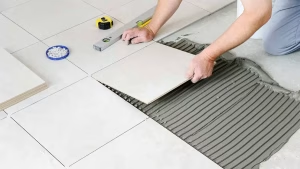
If you’re using click-lock vinyl planks or peel-and-stick tiles, and your room is mostly square with few tricky cuts, DIY is a good choice. These are made for easy installation and need just basic tools.
You save on labor costs and can go at your own speed, great for small updates.
🧑🔧 Hire a Pro: Best for Complex Layouts or Permanent Results
Think about hiring a pro if:
- You’re using glue-down vinyl or sheet vinyl (hard to align)
- Your layout has angles, curves, or multiple rooms
- You need subfloor repair or leveling
- You want a warranty-backed result
Pros have special tools for the best finish.
📊 DIY vs. Pro Installation Comparison
| Factor | DIY Installation | Professional Installation |
|---|---|---|
| Best For | Click-lock, peel-and-stick vinyl | Glue-down vinyl, sheet vinyl, complex layouts |
| Skill Level Required | Beginner to intermediate | None — handled by trained pros |
| Tools Needed | Utility knife, straightedge, mallet | Industrial cutters, rollers, glue tools |
| Prep Work | Homeowner must prep and clean subfloor | Installer handles subfloor leveling |
| Time Commitment | 1–2 days for most rooms | Usually completed in one day |
| Warranty Coverage | Often voided if not installed correctly | Manufacturer warranties typically valid |
| Average Install Cost | $0 (DIY) + tools (~$50–$100) | $2–$5 per square foot labor cost |
✅ Quick Tip
If your vinyl needs glue or precise alignment, a pro installer is a good investment.
👉 Need help with vinyl flooring installation? Check out our full How to Install Vinyl Flooring (DIY Guide) or Book a Free In-Home Consultation with our flooring experts.
Final Tips Before You Buy Vinyl Flooring
Before you order, take some steps to ensure your vinyl flooring looks good and lasts long.
📦 Buy Extra for Waste
Get 10–15% more vinyl flooring than your room size. This covers cutting edges, any mistakes, and gives you extra planks for future fixes—important for patterns like herringbone or large tiles.
💡 Check Samples in Home Light
Vinyl may look different under store lights compared to your home. Place samples on your floor and see them throughout the day in both natural and artificial light to avoid color surprises after installation.
🛡️ Check Warranties & Wear Layers
Look at the wear layer thickness in mils—12 mil or more is best for busy areas. Ensure the warranty covers water damage, fading, and installation mistakes. Some warranties need professional installation to be valid.
💰 Think About Long-Term Value
A cheaper floor might look good at first but may not last. Spend a bit more on rigid core LVP or high-quality brands and enjoy 15–25 years of durability with low maintenance. It’s a smart investment that saves money over time.
Need Help Choosing or Installing Your Vinyl Flooring?
Now that you’ve seen the latest vinyl flooring styles, types, and costs, you’re closer to having new, strong floors at home. If you’d like to avoid the hard work, our team can help.
We do it all — from checking the subfloor and planning the layout to the exact installation of luxury vinyl plank, sheet vinyl, vinyl flooring stairs, vinyl floor tiles, and more.
We’ll help you pick the right vinyl style and type for your room, budget, and way of life — whether it’s for a busy kitchen, bathroom, or rental home.
Click here to contact us today and set up your free in-home consultation to see if we serve your area!