Radiant in-floor heat is one of the nicest things about many newer and custom homes in Superior, Erie, Broomfield and the foothills. Warm feet in January, no noisy vents, even comfort. But it changes how flooring behaves, and a floor that is wonderful on a regular subfloor can fail over heat. Here is what to know before you choose.
First, know your system
There are two main kinds: hydronic systems that circulate warm water through tubing, and electric systems using cables or mats. Tubing may sit in a concrete slab, in a lightweight pour over a wood subfloor, or under the subfloor. Ask your builder or heating contractor which system you have, the maximum surface temperature and where the tubing is. This matters for nailing or fastening, and for how quickly the floor heats and cools.
Tile and stone-look porcelain
Tile conducts heat very well and does not mind warmth, which is why it is the classic partner for radiant. Heat rises quickly and is released evenly. The setting material and a proper membrane or uncoupling layer need correct installation to handle movement. Our porcelain tile options are especially popular in entries, kitchens and baths.
Engineered hardwood
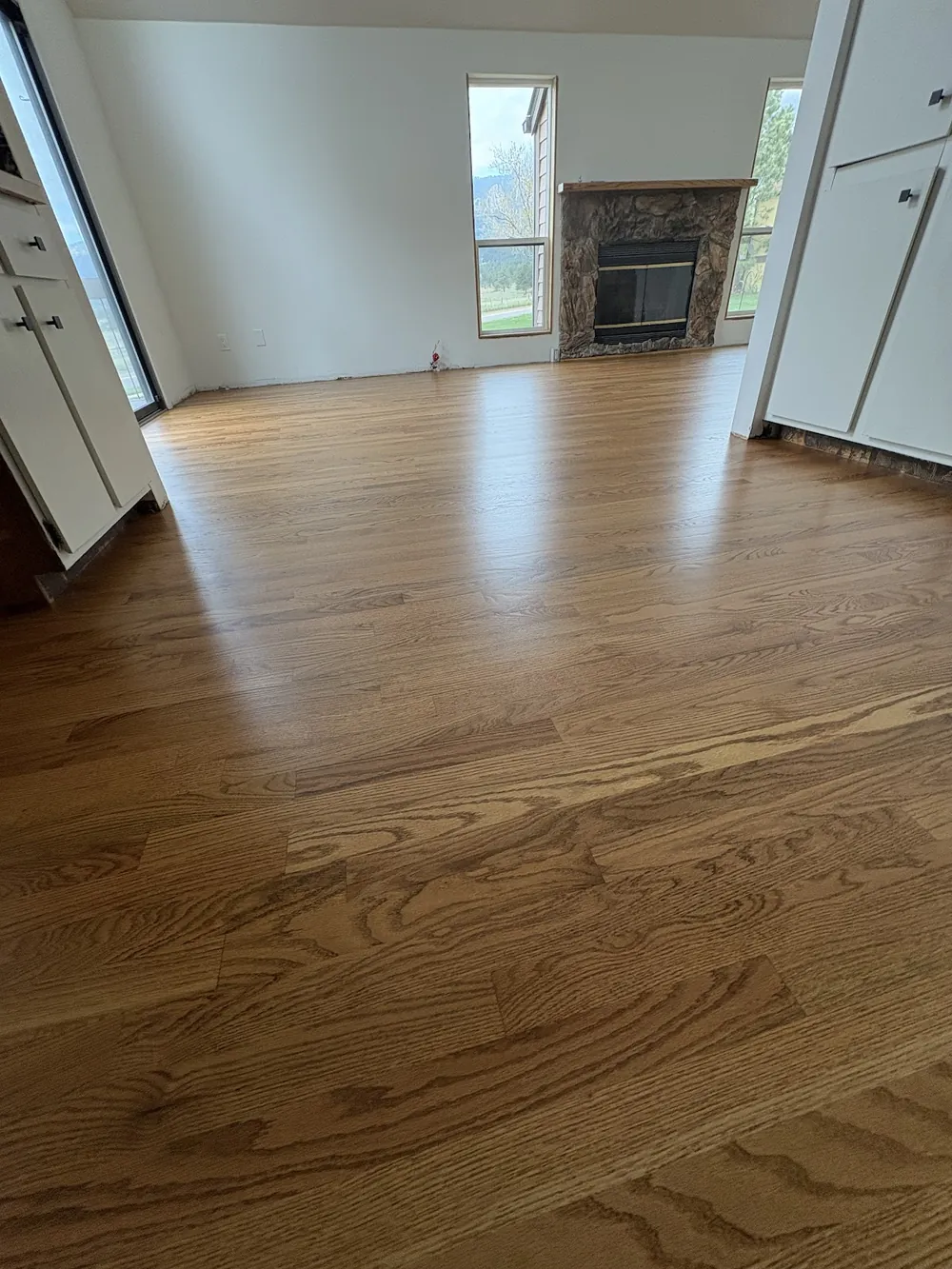
Engineered wood is built in layers, so it is far more stable than solid hardwood when heat and Colorado's dry winter air both try to dry it out. Narrower to medium-width planks and species with good stability tend to behave best. Many are glued or floated to avoid nailing into tubing. Always follow the manufacturer's maximum surface temperature, which is often in the 80-something degrees range.
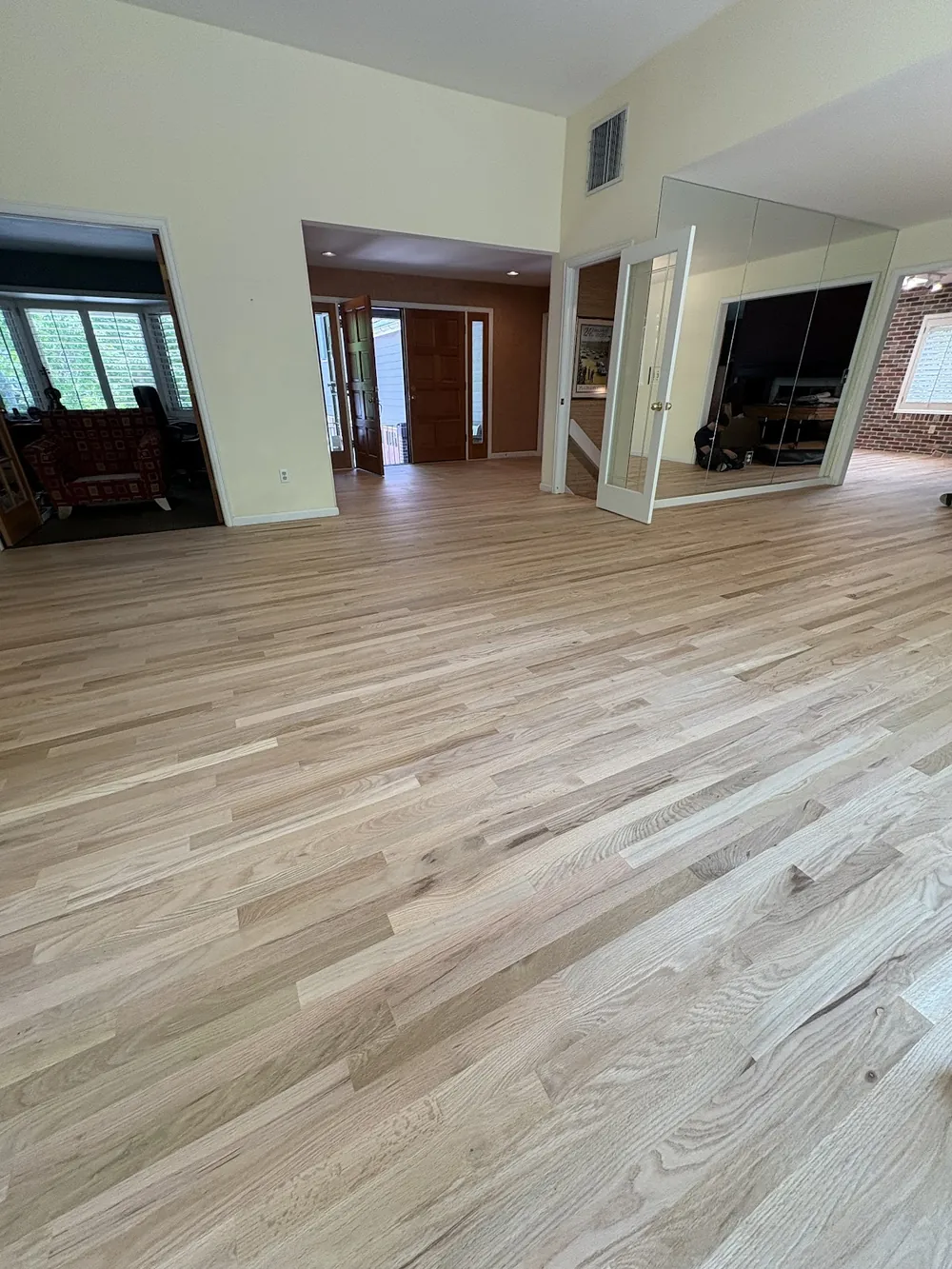
Solid hardwood is more likely to shrink, gap and cup over radiant heat, particularly in wide boards. We are honest about this at the kitchen table. When the look you want is solid, we talk through the risks first.
Luxury vinyl plank
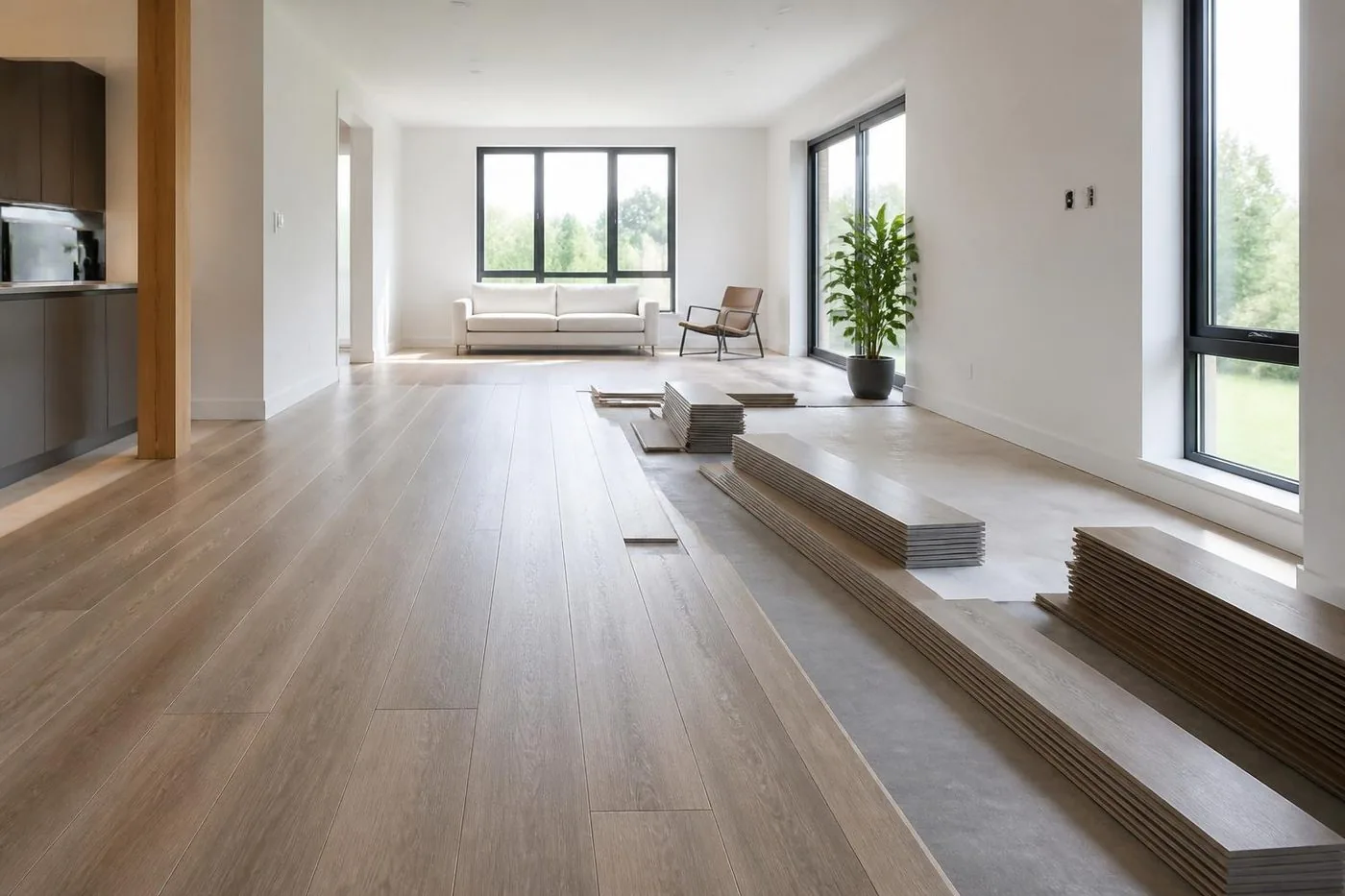
Many LVP products are rated for radiant use, with a lower maximum temperature than tile, and they must be heated gradually. Choose a rigid-core product that the maker approves for heat and avoid very thick rugs or pads trapping heat. Our vinyl flooring team can confirm the right match for your system.
Acclimation and break-in
Before installation, flooring should rest in the home to adjust to its temperature and humidity. In Colorado that means a dry house, so we plan for it. After installation, the heat should be changed in small steps over several days instead of switched on high all at once. Many manufacturers recommend a similar slow ramp-up each fall. A humidifier during winter reduces movement in wood.
Subfloor and moisture
Radiant slabs should be fully cured and tested for moisture before flooring goes down. We handle the surface prep, including leveling where needed, so the floor lays properly. See our flooring installation page for what that includes.
What to budget
| Floor over radiant | Installed price per sq ft | Notes |
|---|---|---|
| Luxury vinyl plank | $5 - $11 | Check heat rating; lower temperature limit |
| Engineered hardwood | $8 - $15 | Often glued or floated; stable |
| Porcelain tile | $9 - $18 | Best heat transfer; membrane recommended |
These are honest installed ranges for typical jobs, not guarantees. Financing is available subject to credit approval at our financing page.
See it in your own home
The best way to pick is to see samples in your own light and walk them through your home's heating setup. Our mobile design showroom comes to you, we measure, and you get a no-obligation quote on the spot. See what homeowners say on our reviews page.
Have radiant heat? Let us help you choose a floor that works with it.
Book your free in-home estimate